
KEF Cantor
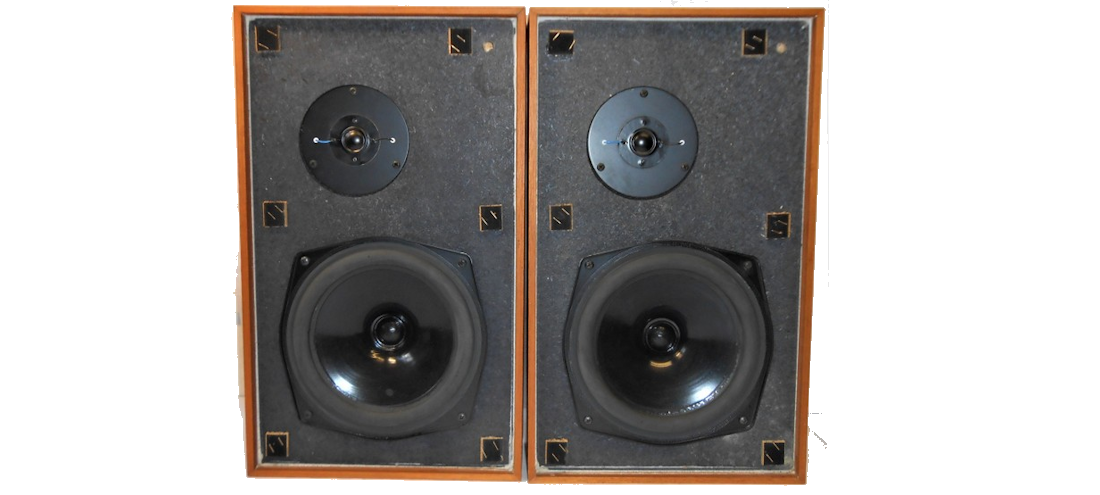
The KEF Cantor (specifically the original version released in 1971) is a classic example of British "BBC-era" loudspeaker design. It was created as a compact, high-performance bookshelf monitor that utilized KEF’s pioneered use of synthetic driver materials at a time when most competitors were still using paper.
While later versions (Cantor II and III) exist, the original Cantor is highly regarded by vintage enthusiasts for its specific driver combination.
The KEF Cantor (specifically the original version released in 1971) is a classic example of British "BBC-era" loudspeaker design. It was created as a compact, high-performance bookshelf monitor that utilized KEF’s pioneered use of synthetic driver materials at a time when most competitors were still using paper.
While later versions (Cantor II and III) exist, the original Cantor is highly regarded by vintage enthusiasts for its specific driver combination.
Technical Specifications (Original 1971 Model)
The original Cantor is a two-way, sealed-box (acoustic suspension) design, which provides a very controlled, "tight" bass response compared to modern ported speakers.
Key Characteristics
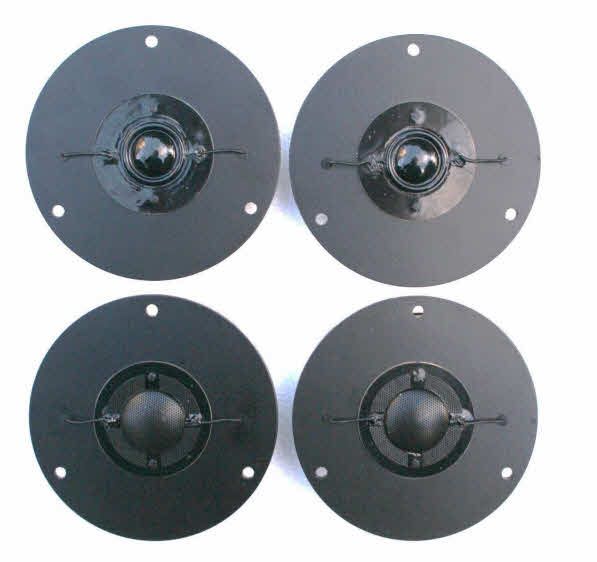
Famous Drivers: The Cantor 1 uses the legendary T27 melinex dome tweeter and the B200 bextrene-coned bass driver. These are the same components found in many higher-end KEF speakers of the 70s and were foundational to the sound of the famous LS3/5A BBC monitor.
Narrow Profile: One of its most distinctive features is its shallow depth (only about 12cm or 4.7 inches). This "slimline" design was intended to make them easy to place on actual bookshelves or mount on walls without protruding too far into a room.
The "British Sound": It is known for a warm, mid-range-forward signature. It excels at vocals, jazz, and acoustic music. Because it is a sealed box, the bass doesn't "boom," but it is very articulate and natural.
What to Look For Today
If you are looking at a pair on the used market, keep these "vintage realities" in mind:
Power Limitations: With a rating of only 25W, these are not meant for modern high-volume party use. They are best paired with a high-quality vintage receiver or a modest integrated amp.
Capacitors: The electrolytic capacitors in the original crossovers are now over 50 years old. They often drift in value, which can make the speakers sound "dull" or "veiled." Many owners choose to "re-cap" them to restore the original clarity.
Surrounds: Unlike many vintage speakers that use foam surrounds that rot, the Cantor's B200 drivers typically use rubber surrounds, which are much more durable and often still in great shape today.
Note: Be careful not to confuse the original 1971 Cantor with the Cantor III from the 80s. The later versions used different drivers (like the T33 tweeter) and often included an ABR (Passive Radiator), which gives them a significantly different sound profile.